
All projects
Research Project

Social Psychological Skill

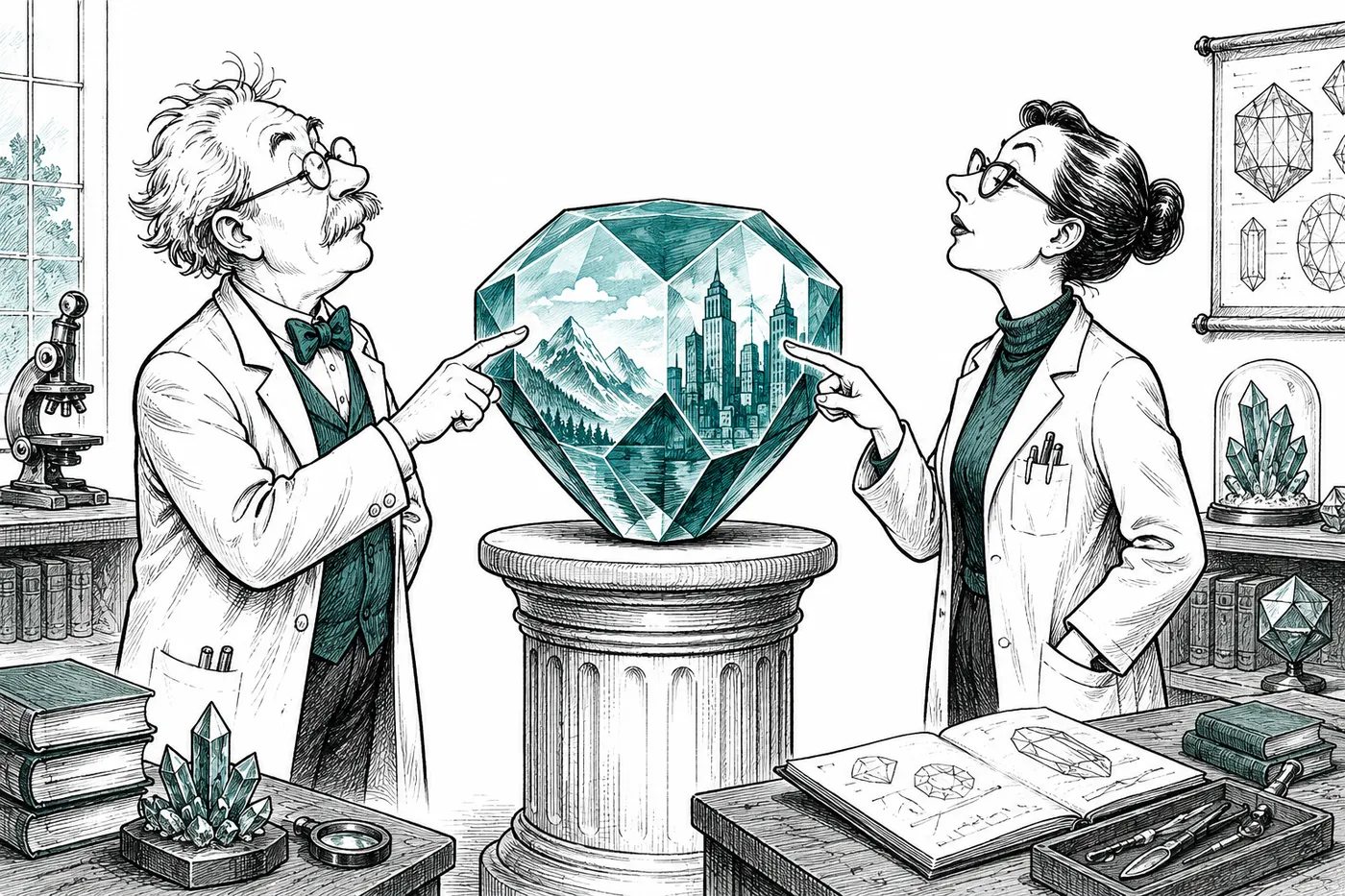
We propose that social cognitive abilities extend beyond merely predicting an individual’s intentions, emotions, and thoughts, commonly referred to as person perception. These abilities also encompass making broad social judgments about human behavior at large. To examine this, we introduced the concept of Social Psychological Skill (SPS), which quantifies a person’s accuracy in predicting general social psychological phenomena (e.g., wisdom of crowds, social loafing).

SPS establishes a tangible benchmark to evaluate how accurately individuals can predict average human thought patterns, emotions, and behaviors within social contexts. Research has demonstrated that SPS remains consistent over time and is typically more pronounced in individuals with higher cognitive capabilities and a willingness to embrace new experiences. Intriguingly, individuals displaying melancholic tendencies and introverted behaviors also tend to have a higher SPS.

Even more interestingly, those with traits of the autism spectrum, who often find person perception challenging, demonstrate slightly elevated SPS. This finding may be attributed to their increased systemizing abilities and a compensatory drive to understand social interactions better.

Social Psychological Skill project image
Try it yourself

Are you a natural social psychologist?

Test your own social psychological skill with a short quiz.

Take the quiz
Social psychological skill across the globe. Darker blue indicates higher average skill; gray countries lacked sufficient data. Skill tends to be higher in colder climates.
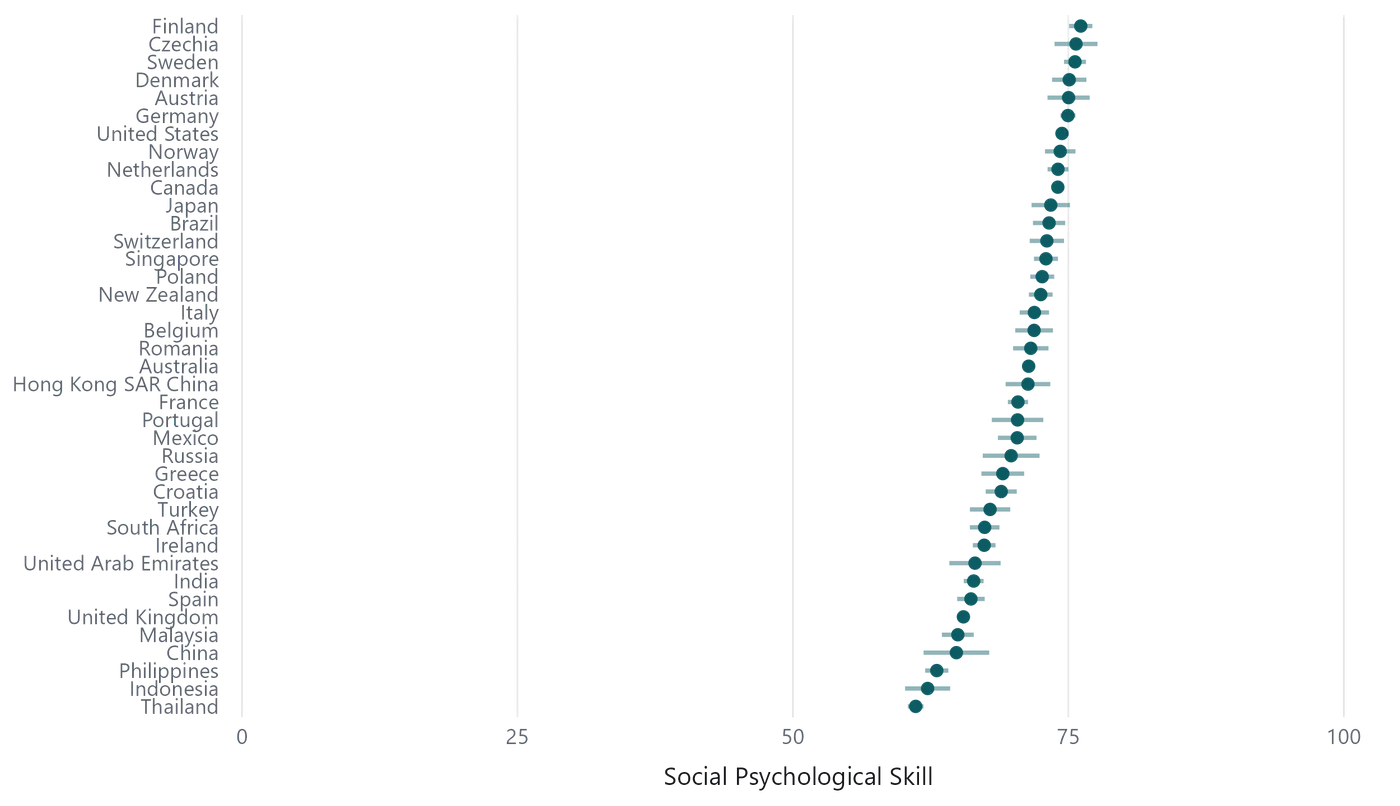
Average social psychological skill by country (95% confidence intervals), for the 39 countries with at least 75 participants. Colder-climate countries such as Finland, Czechia, and Sweden score highest.

Relevant Publications

All publications

Proceedings of the National Academy of Sciences · 2019

Autism spectrum traits predict higher social psychological skill

Gollwitzer, A., Martel, C., McPartland, J., & Bargh, J. A.

Social-cognitive skills come in different forms, from understanding individuals’ thoughts and emotions to predicting social phenomena. Previous research connected autism spectrum traits with deficits in person perception. However, our study found that autism spectrum traits actually predicted slightly better accuracy in predicting social psychological phenomena. A second study indicated that this link may be due to heightened systemizing. These results suggest that autism traits can be linked to a specific form of social cognitive skill and highlight the need to distinguish between different types of social cognition.
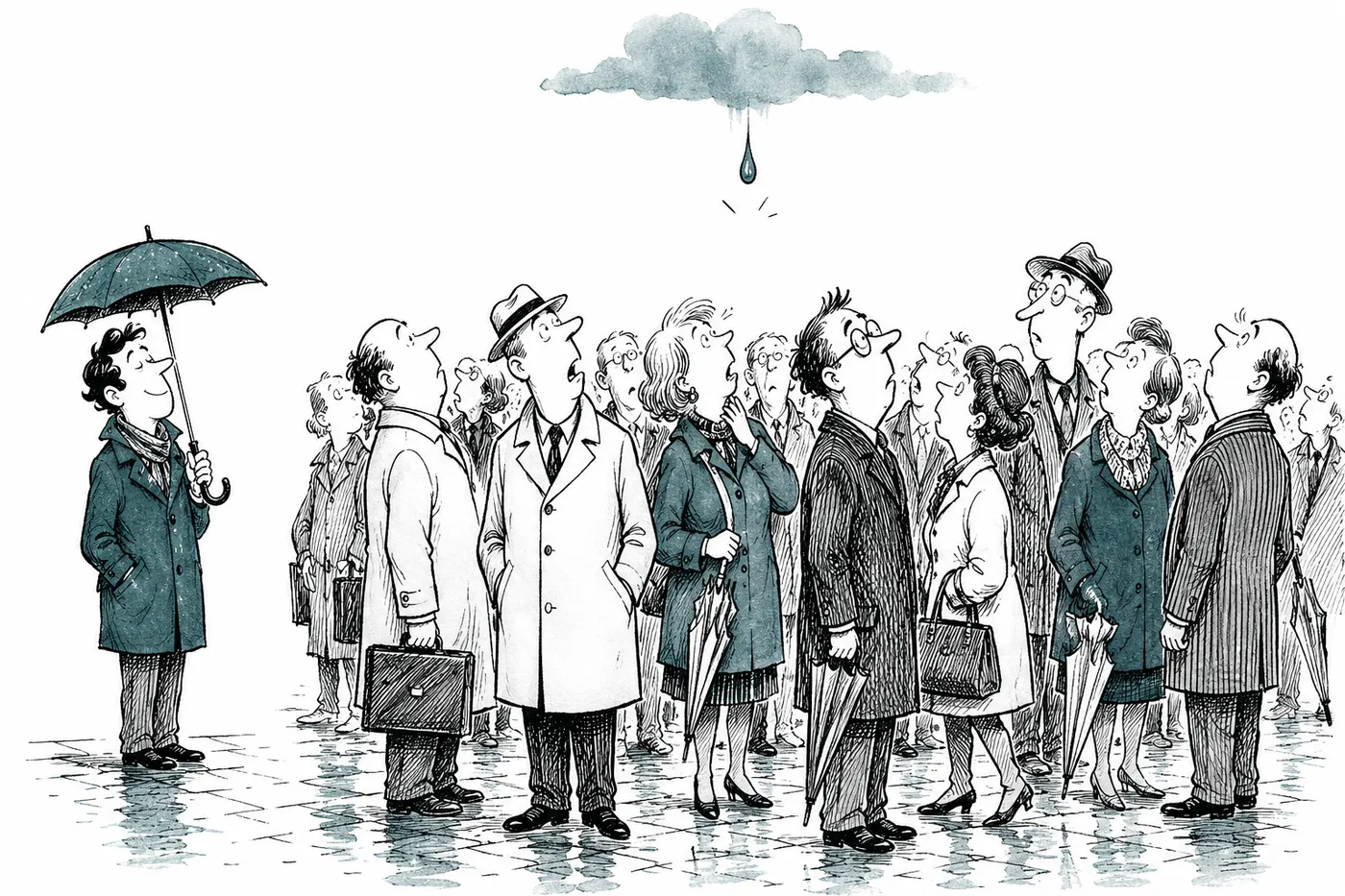
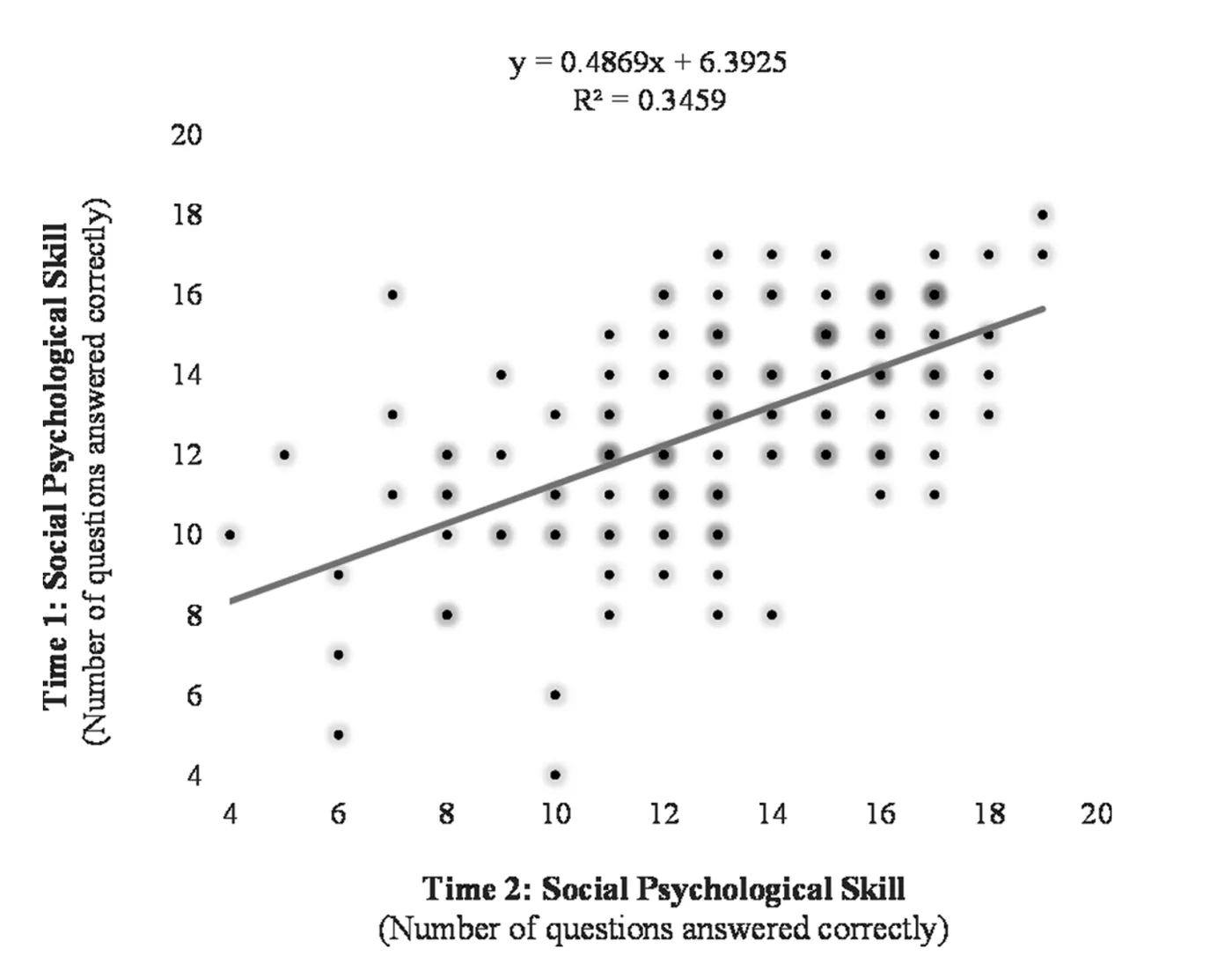
Figure from “Autism spectrum traits predict higher social psychological skill”

Social Psychology · 2018

Social psychological skill and its correlates

Gollwitzer, A., & Bargh, J. A.

In a series of six studies involving over 1,000 participants, researchers examined lay individuals’ skill in predicting social psychological phenomena. The findings revealed that certain attributes, such as cognitive ability, cognitive curiosity, and introversion, were associated with higher social psychological skill. Additionally, the study demonstrated that social psychological skill is distinct from other skills and is linked to reduced self-deception and improved understanding of situational influences on behavior. These findings have important implications for understanding human behavior and its underlying mechanisms.

Figure from “Social psychological skill and its correlates”

Proceedings of the National Academy of Sciences · 2019

Commentary: Reply to Taylor et al.: Acknowledging the multidimensionality of autism when predicting social psychological skill

Gollwitzer, A., Martel, C., McPartland, J., & Bargh, J. A.

The authors argue that the relationship between autism and SPS that they observed remains valid despite the multidimensional nature of autism. They acknowledge limitations in their dataset for examining the subdimensions of autism and highlight the need for future research to explore how these subdimensions individually predict SPS to gain a better understanding of the link between autism and SPS.

Figure from “Commentary: Reply to Taylor et al.: Acknowledging the multidimensionality of autism when predicting social psychological skill”